
Granite counters are my favorite. They have that cool, smooth feel that makes any kitchen look like it came straight out of a home magazine. I love how the surface catches light and how easy it is to wipe down after cooking. That natural stone pattern always adds a little warmth and style to the room, no matter what color or design you go for. It’s one of those things that just makes a kitchen feel complete.
But here’s what most people don’t realize. The products you use on granite can quietly ruin that beauty over time. A lot of us reach for glass cleaner, thinking it’ll make the surface shine even more. It looks clean at first, but what happens underneath is a slow kind of damage. Glass cleaner isn’t the best choice for granite, and once you understand why, you’ll see it’s better to keep it far away from that beautiful countertop.
Reasons Why You Should Not Use Glass Cleaner On Granite
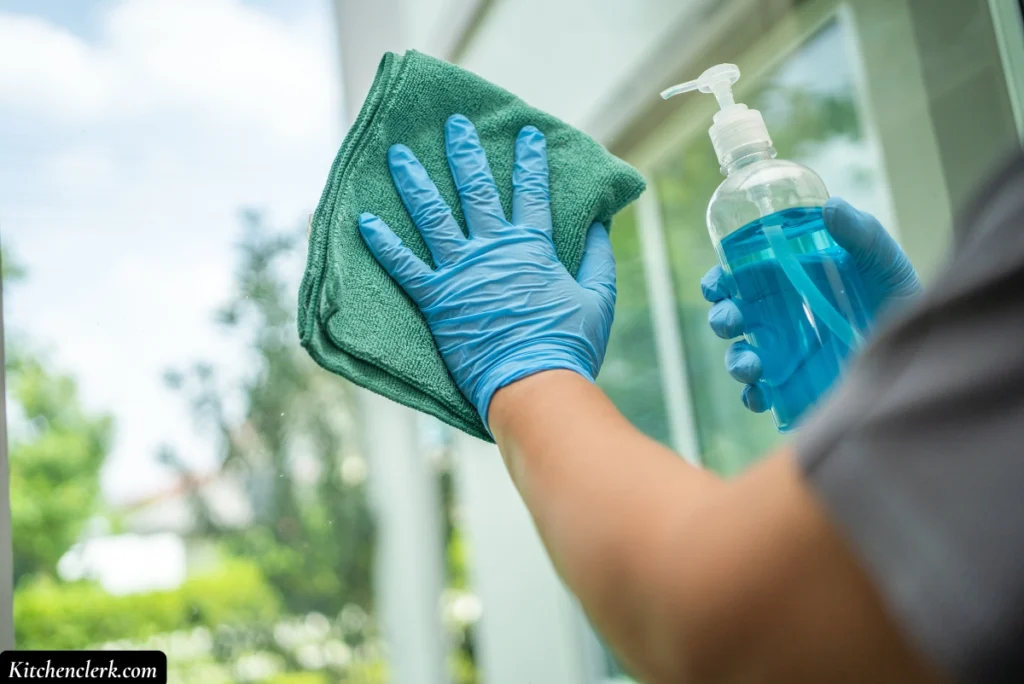
1. It damages the protective seal
Granite looks strong, but it needs a thin layer of sealant to keep spills from soaking in. When you use glass cleaner, that layer slowly breaks down. Most glass cleaners contain alcohol or ammonia, which can eat away at the seal even when you don’t notice it. The countertop might still look fine for a while, but over time, stains start to appear, and water no longer beads on the surface. Once the seal is gone, even a small spill can leave a dark patch that refuses to come off. It’s one of those things that happens gradually until one day, your beautiful countertop doesn’t shine like it used to.
2. It makes the surface look dull
The glossy shine on granite is one of the reasons we love it so much, but glass cleaner slowly takes that away. Those harsh ingredients wear down the polish little by little, leaving the surface looking flat and patchy. Some areas start to lose their glow faster than others, and no matter how much you clean, the dullness stays. Getting that shine back usually means paying for professional polishing, which can cost more than you’d expect. Granite needs soft care to stay beautiful, not strong chemicals that wear out its finish.
3. It leaves behind a sticky film
You know how glass cleaner promises a clear, streak-free shine? On granite, it doesn’t work that way. Instead, it often leaves behind a light film that feels a little sticky when you touch it. That film traps dust, fingerprints, and even crumbs, so you end up cleaning more often than you should. It’s frustrating because the more you use it, the duller your countertop starts to look. That leftover residue builds up and makes your granite lose its natural sparkle over time.
4. It’s too harsh for natural stone
Granite might seem solid and indestructible, but it’s still a natural stone that reacts to strong chemicals. Glass cleaner is made for smooth surfaces like mirrors and windows, not for stone that has tiny pores. The ammonia and alcohol in it are too aggressive for granite and can cause small changes on the surface that grow worse with time. You may not notice at first, but the stone starts losing its smoothness and might even look uneven when light hits it. Granite simply needs something gentler to stay in good shape.
5. It makes granite easier to stain
When the protective seal weakens, the granite starts absorbing liquids faster. Things like oil, juice, or coffee that used to wipe off easily begin to soak in. Once that happens, it’s really hard to remove the stains completely. Sometimes they leave behind faint marks or shadows that never go away. What makes it even worse is that these stains can spread under the surface, giving your countertop a patchy look. Using the wrong cleaner may seem harmless now, but it sets up the stone for stains later on.
6. It can be costly to fix the damage
Once granite loses its shine or gets stained, fixing it isn’t simple. You’ll need a professional to polish or reseal it, and that can be expensive. The longer the glass cleaner is used, the deeper the damage might go. You could end up spending more on restoration than you ever expected. It’s easier to just avoid glass cleaner completely and use products made for granite from the start. A little care now will save you the cost and stress of trying to fix it later.
7. Not all glass cleaners are truly safe
Some glass cleaners say “safe for all surfaces,” but that’s where many people get tricked. Even those can still have ingredients that harm granite over time. It might look fine after the first few uses, but with regular cleaning, the surface starts to lose its shine and strength. The damage happens slowly, so it’s easy to miss until it becomes obvious. Granite really needs its own kind of cleaner, one that’s made just for stone, so you don’t have to worry about what’s happening underneath the shine.
Safe Alternatives And Simple Granite Care Tips

1. Use a gentle granite cleaner
Granite might look tough, but it still needs a little care to stay beautiful. The best way to keep it clean without damage is to use a cleaner made especially for granite or other natural stones. These cleaners are pH-balanced, which means they won’t strip away the seal that protects your countertop. You can find them in most supermarkets, and they’re usually labeled as “stone-safe” or “granite cleaner.” A few sprays on a soft cloth are all you need. Wipe gently in small circles, then dry the surface with a clean towel. It’s simple, but it helps your granite stay shiny and smooth for years.
2. Make a mild DIY solution
If you like homemade options, a little dish soap and warm water can do wonders. Just add a few drops of mild dish soap to a bowl of water and mix it lightly. Dip a soft cloth or sponge into the mixture, wring it out, and wipe your countertop in gentle motions. It’s safe, simple, and budget-friendly. When you’re done, rinse the area with clean water to remove any soap film, then dry it with a soft towel. This method keeps your granite clean and fresh without the risk of dulling its shine.
3. Avoid vinegar, ammonia, or lemon cleaners
Even though vinegar and lemon sound natural, they’re not good for granite at all. They’re acidic and can slowly eat away at the surface, just like glass cleaner does. Ammonia-based cleaners are just as bad because they break down the seal and leave dull spots over time. It’s better to stay away from anything that feels too strong or smells too sharp. If it can cut through grease on glass or metal, it’s probably too harsh for granite. Stick to gentle, neutral products that treat your countertop kindly.
4. Wipe spills quickly
Granite doesn’t stain easily when it’s well sealed, but that changes once liquids sit for too long. Whenever something spills, especially coffee, juice, or wine, it’s best to wipe it up right away. Use a soft cloth or paper towel and blot gently instead of rubbing. Rubbing might push the liquid deeper into the stone. Making this a habit saves you from dealing with stubborn stains later and keeps your countertop looking clean and cared for every day.
5. Keep it dry after cleaning
After cleaning, always make sure to dry your granite properly. Leaving water on the surface might seem harmless, but over time, moisture can break down the seal and leave dull patches. A quick wipe with a microfiber towel keeps the shine intact and prevents streaks. Drying it also helps prevent water spots, especially if you live in an area with hard water. It’s such a small step, but it makes a big difference in how your countertop looks and feels.

Conclusion
Glass cleaner might seem like a quick way to make your granite shine, but it does more harm than good. The best way to keep that beautiful surface looking fresh is by using gentle, stone-safe cleaners and simple habits like drying after cleaning and wiping spills quickly. With a little care, your granite will stay smooth, shiny, and strong for many years without losing its natural charm.
