
Should you use a rice cooker or cook rice on the stove top? I’ve cooked rice both ways many times. Some people like the quick and easy rice cooker, while others prefer the traditional stove top method.
In this post, I’ll compare these two ways of cooking rice. We’ll look at which one is easier, which one makes better-tasting rice, and which one might be best for you.
Whether you’re cooking rice for the first time or just trying to make your rice taste better, this post will help you out. Let’s find out the best way to cook rice.
Rice Cooker: Convenience at its Best
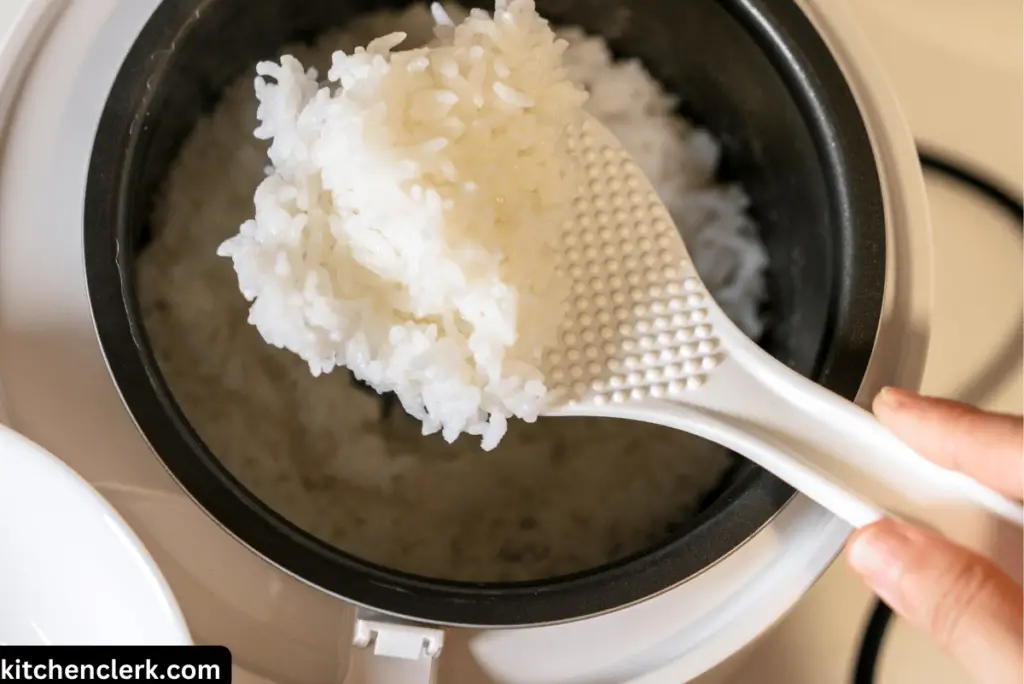
Rice cookers have gained immense popularity in recent years due to their convenience and ease of use. These countertop appliances are specifically designed to cook rice to perfection with minimal effort required from the user. Simply measure the rice and water, press a button, and let the rice cooker do its magic.
Benefits of Using a Rice Cooker
1. Consistent results
One of the biggest advantages of using a rice cooker is the consistent results it delivers each time. Rice cookers are equipped with advanced technology that automatically adjusts the cooking time and temperature to ensure perfectly cooked rice. This means no more undercooked or burnt rice, regardless of whether you’re cooking white rice, brown rice, or even specialty rice varieties like sushi rice.
2. Time saving
Another major benefit of rice cookers is their time-saving feature. Once you’ve added the rice and water and set the desired cooking time, you can step away and focus on other tasks. There’s no need to constantly monitor the pot or adjust the heat like you would when cooking rice on the stovetop. This frees up valuable time in the kitchen, allowing you to multitask and take care of other preparations.
3. Easy to clean
Cleaning up after cooking can be a hassle, but rice cookers make the process a breeze. Most rice cooker pots have a non-stick coating, which prevents rice from sticking to the bottom and makes cleanup quick and easy. Additionally, many rice cookers come with removable inner pots that can be easily washed in the sink or dishwasher.
Stovetop: Traditional Cooking Method

Cooking rice on the stovetop is the traditional method that has been used for centuries. It involves boiling rice in a pot of water until it reaches the desired doneness. While it may require more attention and effort compared to using a rice cooker, stovetop cooking offers its own set of advantages.
Benefits of Cooking Rice on the Stovetop
1. It is versatile
When cooking rice on the stovetop, you have more flexibility in terms of the amount of rice you can cook. Unlike rice cookers that come in fixed sizes, you can adjust the pot size when cooking on the stovetop to accommodate the desired amount of rice. This makes stovetop cooking a great option for larger gatherings or when you need to cook a specific quantity of rice.
2. Control over texture
If you prefer your rice to have a specific texture, cooking it on the stovetop allows you to have more control. By adjusting the cooking time, heat, and water ratio, you can achieve different textures ranging from fluffy and light to sticky and creamy. This level of control is particularly beneficial when cooking rice for specific dishes like risotto or paella.
Differences Between Rice Cooker and Stovetop
While both rice cookers and stovetop cooking can yield delicious rice, there are some notable differences between the two methods. Understanding these differences can help you choose the best option for your cooking needs. Here are some key factors to consider:
1. Cooking process
The cooking process is one of the main differences between a rice cooker and a stove. With a rice cooker, the cooking process is automated. Once you’ve added the rice and water, you simply press a button, and the rice cooker takes care of the rest. It automatically regulates the temperature and cooking time, ensuring perfectly cooked rice without the need for constant monitoring.
When cooking rice on the stovetop, you have more control over the cooking process. You bring the rice and water to a boil, then lower the heat and simmer until the rice is cooked to your desired texture. This method requires more attention and occasional stirring to prevent the rice from sticking to the bottom of the pot or burning.
2. The convenience
Convenience is another factor to consider when choosing between a rice cooker and stove. Rice cookers are incredibly convenient. Once you’ve measured the rice and water and set the cooking time, you can walk away and focus on other tasks. There’s no need to monitor the pot or adjust the heat, making it perfect for busy individuals or those who prefer a hands-off approach to cooking.
Stovetop cooking requires more active involvement. You need to keep an eye on the pot, stir occasionally, and adjust the heat as necessary. This method may be less convenient if you have a busy schedule or prefer a more hands-off cooking experience.
3. Cooking capacity
The cooking capacity is an important consideration, especially if you regularly cook large quantities of rice. Rice cookers come in various sizes, ranging from small ones that can cook a few cups of rice to larger models that can handle larger batches. The size of its inner pot determines the capacity of a rice cooker. This means that if you need to cook a significant amount of rice for a gathering or event, you may need a larger rice cooker.
When cooking rice on the stovetop, you have more flexibility in terms of the cooking capacity. You can choose a pot size that accommodates the desired amount of rice, whether it’s a small portion or a larger quantity for a crowd. This gives you more control over the amount of rice you can cook compared to the fixed size of a rice cooker.
4. Texture and control
The texture and control over the cooking process are factors that may sway your decision between a rice cooker and stove. Rice cookers are specifically designed to produce consistent results, yielding fluffy and evenly cooked rice. However, the control over the texture may be limited, as the cooking process is automated.
Stovetop cooking gives you more control over the texture of your rice. By adjusting the cooking time, heat, and water ratio, you can achieve different textures ranging from fluffy and light to sticky and creamy. This makes stovetop cooking a great option if you have specific preferences or if you’re cooking rice for dishes that require a particular texture.
5. Rice cookers are easier to clean
Cleanup is an important consideration when choosing a cooking method. Rice cookers are generally easy to clean. Most models have a non-stick coating on the inner pot, which prevents rice from sticking and makes cleaning a breeze. Additionally, many rice cookers come with removable inner pots that can be washed in the sink or dishwasher. This makes cleanup quick and convenient.
Stovetop cooking may require more effort in terms of cleaning. Depending on the pot you use, rice may stick to the bottom, requiring extra scrubbing to remove. However, if you use a well-seasoned pot or employ cooking techniques like using a double boiler or adding a layer of oil at the bottom, cleanup can still be relatively easy.
Conclusion: Which Method is Right for You?
When it comes to choosing between a rice cooker or stovetop cooking, it ultimately depends on your personal preferences and needs. If convenience, consistent results, and time-saving are top priorities for you, then a rice cooker is the way to go. On the other hand, if you enjoy the traditional method of stovetop cooking and value versatility and control over texture, then cooking rice on the stovetop may be the better option.
In my kitchen, I have both a rice cooker and stovetop pot, as each method has its own merits. I rely on my rice cooker for busy weeknights when convenience is key. Still, I also enjoy the hands-on experience of cooking rice on the stovetop for special occasions or when I want more control over the texture.
The choice between a rice cooker and stovetop cooking comes down to personal preference and convenience. Consider your cooking style, desired results, and the amount of rice you typically cook to make an informed decision. Whichever method you choose, rest assured that with a little practice and experimentation, you’ll be able to cook perfect rice every time.
What are your thoughts on the rice cooker vs stove debate? Do you have a preferred method for cooking rice? Share your experiences and tips in the comments below.
