
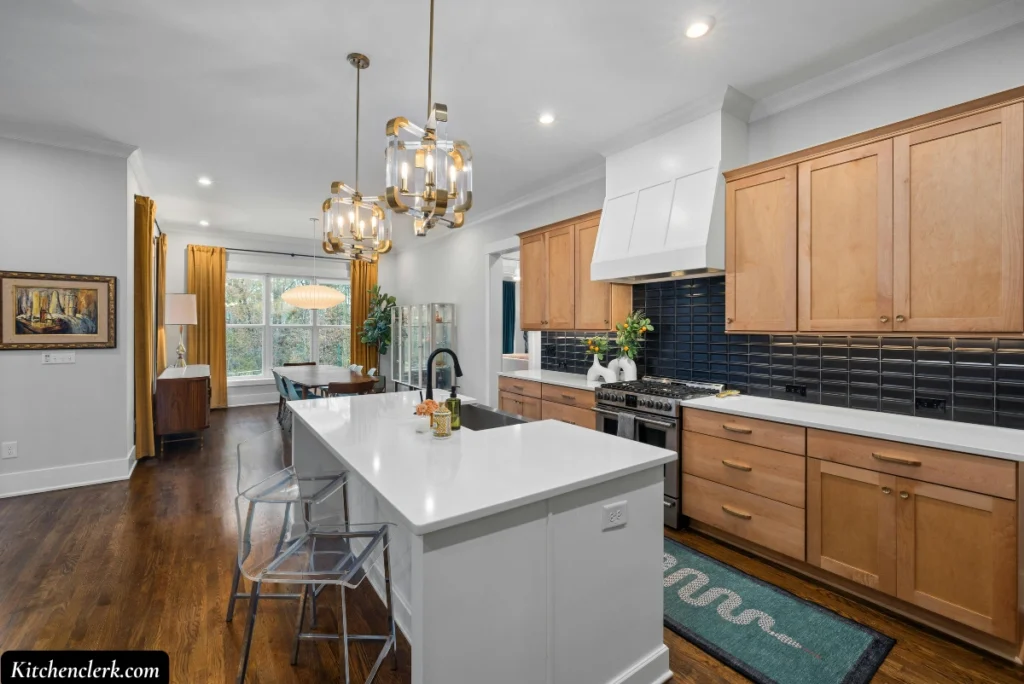
When it comes to selecting the right wood for kitchen cabinets, quarter-sawn oak has garnered significant attention. However, a common question that arises is whether quarter-sawn oak is indeed a good option for kitchen cabinets.
So, does this mean quarter-sawn oak is good for your kitchen cabinets? Yes, Quarter-sawn oak is a good choice for kitchen cabinets because it’s less prone to warping compared to other woods, making it a reliable option.
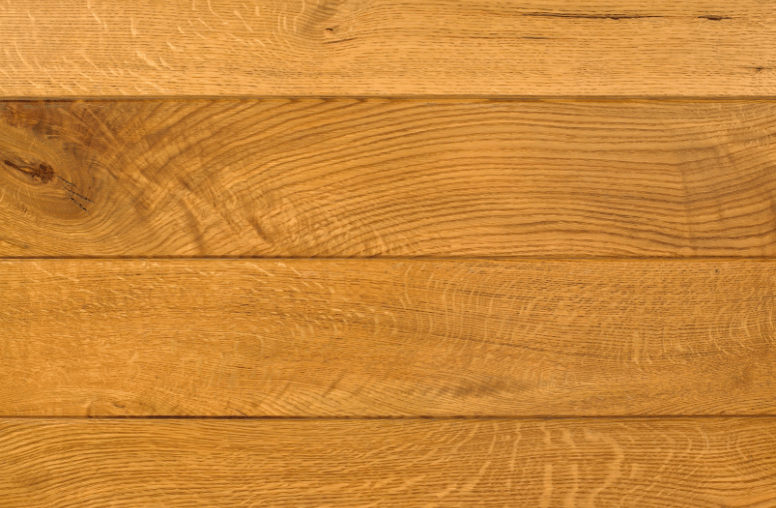
Quarter-sawn oak boards have distinct medullary rays, which are clearly visible on the right-hand board. These characteristics make quarter-sawn oak a perfect fit for cabinets in terms of both durability and visual appeal.
5 Reasons Quarter Sawn Oak is Good for Kitchen Cabinets
1. Stronger and more stable wood structure
Wood always moves a little. That is just how it behaves with changes in humidity and temperature. But quarter sawn oak is cut in a way that keeps that movement more controlled.
I once saw two kitchen cabinet doors from the same house, one made from plain oak and the other from quarter sawn oak. Over time, the difference was obvious. The plain oak had started to shift slightly at the edges, while the quarter sawn piece stayed almost perfectly aligned.
That stability matters in a kitchen where doors and drawers are used every day. It means fewer gaps, fewer sticking drawers, and less need for constant adjustments.
2. Beautiful and consistent grain pattern
Quarter-sawn oak has a very distinct look. The grain runs in a straight, even direction, and in some pieces you will notice a subtle ray pattern that almost looks like natural brush strokes.
This particular oak is calming. It does not fight for attention like heavily patterned woods sometimes do. Instead, it blends into the space while still adding character.
I have seen kitchens where the cabinets were the highlight of the room. People could not always explain why the space felt so put together, but it usually came down to the consistency of the wood grain.
3. Better resistance to moisture changes
Kitchens are full of small shifts in moisture. Boiling pots, dishwashers running, windows opening and closing. Over time, those changes can affect wood in noticeable ways. Quarter sawn oak handles this better because of how tightly its grain is structured. It does not absorb moisture as quickly, which helps it resist swelling and shrinking.
There was a kitchen I visited where the homeowner had struggled with cabinet doors sticking every rainy season. After switching to quarter sawn oak for replacements, that problem became much less frequent.
4. Long-lasting durability for daily use
Cabinets are one of the most used parts of any kitchen. They take hits from pots, plates, elbows, and constant movement. Quarter sawn oak is dense and tough, which gives it a kind of quiet resilience. It does not dent easily, and it holds up well even in busy households where the kitchen never really rests.
Over time, instead of breaking down or looking tired, it tends to even get better. Small marks do not ruin it at all; in fact, they enhance its beauty.
5. Timeless appearance that ages well
Trends in kitchen design change faster than people expect. What looks modern today can feel outdated in a few years. But quarter sawn oak has a way of staying relevant without trying. Its natural grain and warm tone age in a soft, steady way. I once went back to a kitchen I had seen years earlier, and even though the decor around it had changed, the cabinets still looked amazing. That is what makes it such a long-term choice. It does not rely on trends to stay beautiful. It just quietly grows into the space over time.
Is Quarter Sawn Oak Expensive?
When compared to plain sawn oak, quarter-sawn oak is more expensive. The unique cutting technique involved in obtaining quarter-sawn oak boards adds to the labor and time required in the production process, contributing to its higher price point.
Furthermore, the distinct and desirable grain patterns found in quarter sawn oak make it a sought-after wood choice been a popular wood choice for arts and crafts and Mission-style wood furniture. This further influences its pricing.
While the cost may be higher, many homeowners consider it a worthwhile investment due to the durability, stability, and aesthetic appeal that quarter sawn oak brings to their kitchen cabinets. The combination of its unique grain patterns, durability, and timeless beauty can elevate the overall look and feel of kitchen cabinets. It is good to weigh the benefits and budget considerations when deciding whether quarter sawn oak is the right choice for your kitchen cabinet project.
What Is the Difference Between White Oak and Quarter Sawn White Oak?
The main difference between white oak and quarter sawn white oak lies in the cutting technique and resulting grain patterns. While both types share the inherent qualities of oak wood, quarter sawn white oak offers a more uniform and distinctive look due to its grain orientation. Here are more key differences between the two:
White oak
Plain sawn oak wood is widely used and considered an affordable option for hardwood furniture. It is known for its strength and durability. The grain pattern of plain sawn oak is lively and interesting, providing a visually appealing look. When the wood is plain sawn, it creates a classic appearance that withstands the test of time. This type of lumber is reliable and well-suited for furniture that will experience frequent use.
Pros
- Efficient log usage
- Prominent wood grain
- Strength
- Livelier grain pattern than quarter-sawn
- Rich color
Cons
- Unsuitable for painted finish
- Cupping or bowing over time
Quarter sawn white oak
Quarter-sawn white oak is a specific cutting technique applied to white oak lumber. The log is cut into quarters, and then each quarter is sliced perpendicular to the growth rings, resulting in boards with a distinct grain pattern.
This method produces straight and parallel grain lines, showcasing the medullary rays and creating a unique appearance. Quarter sawn white oak has a more consistent grain pattern compared to plain sawn white oak, with tighter growth rings and less variation in the wood’s appearance.
Pros
- Unique patterns and figuring
- Added resistance to cupping and warping
- Grain pattern not as thick as plain sawn
- Expands and contracts less in humid conditions
- Strength and stability
- Lighter grain pattern than plain sawn
- Easy to work with
- Accepts stains well
- Rich with color
- Receives stain well
- Resists wear, decay, and moisture
- Popular choice for Mission and Arts and Crafts style furniture
Cons
- More labor intensive
- Not a good candidate for painted finish
- Costs more
- Creates more waste
- Availability
What Is the Difference Between Quarter Sawn and Rift Sawn White Oak Cabinets?
The main difference between quarter sawn and rift sawn white oak cabinets lies in the appearance of the grain pattern. Quarter sawn cabinets exhibit a more striking and pronounced grain pattern with medullary rays, while rift sawn cabinets have a more uniform and linear grain pattern. Here are distinct differences between them:
Quarter sawn white oak cabinets are made from wood that has been cut perpendicular to the growth rings of the tree. This cutting technique produces boards with a unique grain pattern characterized by straight, parallel lines and prominent medullary rays.
The result is a visually stunning appearance that showcases the natural beauty of the wood. Quarter sawn white oak cabinets are known for their stability, resistance to warping, and durability. The distinct grain pattern adds a touch of elegance and sophistication to any space.
Rift sawn white oak cabinets, on the other hand, are made from wood that has been cut at an angle of approximately 30 to 60 degrees to the growth rings. This technique produces boards with a straight grain pattern that is uniform and consistent.
The grain lines in rift sawn white oak cabinets are more linear and less prominent compared to quarter sawn cabinets. Rift sawn white oak cabinets have excellent dimensional stability and are less prone to expanding or contracting with changes in humidity. They offer a more subtle and contemporary look compared to the pronounced grain pattern of quarter-sawn white oak.
Conclusion
Quarter sawn oak is indeed a good choice for kitchen cabinets, offering a unique combination of durability, aesthetics, and timeless appeal. Its distinctive grain pattern, stability, and resistance to warping make it a popular option among homeowners who seek high-quality and visually appealing cabinetry. While the cost may be higher compared to other woods, the long-term benefits and enduring beauty of quarter-sawn oak make it a worthwhile investment.
