
The prevalence of portable dishwashers in US homes has surged according to Precedence Research, with many appreciating their mobility. However, despite their popularity, some people remain uncertain about their operation. If you are one of those, don’t worry, I will discuss how portable dishwasher works and answer some common questions related to it.
How Does a Portable Dishwasher Work?
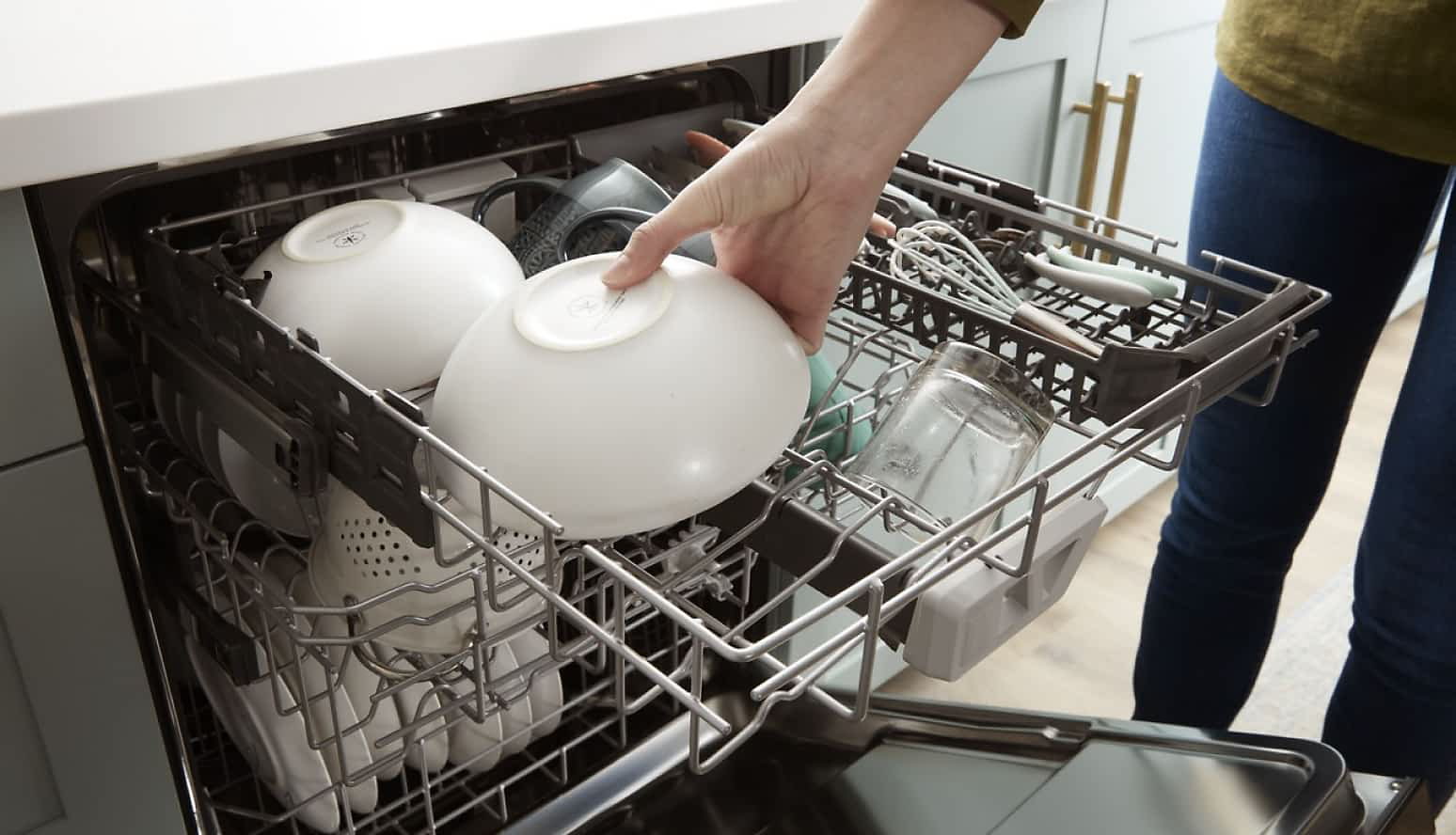
A portable dishwasher is like a regular dishwasher, but you can move it around. You attach it to your kitchen tap when you need to use it and disconnect it when you’re done or need to move it.
Here’s a brief explanation on how a portable dishwasher operates:
Portable dishwashers operate on the same principles as built-in dishwashers, but they are designed to be moved and connected to a kitchen faucet when needed. The dishwasher consists of a water inlet hose that connects to the faucet, allowing water to flow into the machine. Once the dishwasher is turned on, an electric pump circulates the water through a heating element to increase the water temperature.
The dishwasher has different compartments for holding dishes, cutlery, and other items. Water is sprayed through rotating arms, which are powered by a pump, to thoroughly clean the dishes. The water is mixed with detergent to help break down food particles and remove stains.
After the cleaning process, the dirty water is drained from the dishwasher, and fresh water is used for rinsing. Finally, the dishwasher drains the used rinse water and repeats the cycle until the dishes are clean. Once the cleaning is complete, the portable dishwasher can be disconnected from the faucet, and its compact design allows for easy storage when not in use.
How Long Does a Portable Dishwasher Run?
Portable dishwashers typically run for a duration of 1 to 4 hours, depending on various factors such as the selected cycle, the level of soiling on the dishes, and the dishwasher’s efficiency.
The dishwasher’s operation goes through different stages, including pre-washing, main washing, rinsing, and drying. Each of these stages requires a specific amount of time to ensure thorough cleaning and sanitization of the dishes.
Portable dishwashers usually offer different wash cycles, such as a normal cycle, heavy-duty cycle, quick wash cycle, and energy-saving cycle. The chosen cycle will affect the overall running time of the dishwasher.
Do Portable Dishwashers Need a Water Line?
No, portable dishwashers do not require a dedicated water line like built-in dishwashers. They are designed to be flexible and convenient, allowing you to use them without the need for any permanent installation or modifications to your plumbing system. Instead of having a separate water line, portable dishwashers are connected directly to your kitchen faucet using a special hose.
When using a portable dishwasher, you simply roll it over to your kitchen sink and attach the hose to the faucet. The faucet then becomes the source of water for the dishwasher. The dishwasher regulates the water supply using a valve, ensuring the right amount of water is used for each wash cycle. This way, you can easily access the water you need without the need for any additional plumbing work.
Connecting directly to the kitchen faucet makes portable dishwashers extremely convenient, especially for those living in apartments or rental homes where permanent modifications may not be allowed. It also means that you can easily move the dishwasher to different locations in your home or even take it with you when you move.
Guide to Use a Portable Dishwasher
Using a portable dishwasher is a straightforward process that can make your dishwashing routine much easier. Here is a step-by-step guide to help you use a portable dishwasher effectively:
Step 1: Preparation
Before using the portable dishwasher, ensure the unit is positioned near your kitchen sink.
Step 2: Connect the hose
Take the hose that came with the portable dishwasher and securely attach it to the faucet. Make sure it is tightly fastened to prevent any leaks.
Step 3: Load the dishes
Open the dishwasher door and prepare your dishes for washing. Remove any food scraps or debris from the plates and arrange them in the dishwasher racks.
Step 4: Adjust the water temperature and cycle
Before starting the dishwasher, adjust the water temperature on your faucet to the desired level. Some dishwashers may have different wash cycle options, such as normal, heavy-duty, or quick wash. Select the appropriate cycle based on your needs.
Step 5: Start the dishwasher
Once you have loaded the dishes and selected the desired settings, close the dishwasher door and turn on the faucet. The water will flow through the hose and enter the dishwasher, initiating the cleaning process.
Most dishwashers have timers and will notify you when it’s done. However, it’s important to monitor the process for safety purpose.
Step 6: Unload the clean dishes
After the dishwasher completes the wash cycle, turn off the faucet and disconnect the hose. Open the dishwasher door and carefully unload the clean and sanitized dishes.
Step 7: Clean and store the portable dishwasher
Once you have unloaded the dishes, it’s important to clean the dishwasher’s interior, including the racks and filters. Remove any leftover food debris and wipe down the surfaces with a damp cloth. Allow the dishwasher to dry completely before storing it in a safe and dry location.
How Much Water Does a Portable Dishwasher Use?
A portable dishwasher uses approximately 3 to 4 gallons (around 11 liters) of water per wash cycle.
Modern portable dishwashers often offer different wash cycle options, including energy-saving modes. These energy-saving modes reduce both water and energy consumption by adjusting the water temperature and the wash cycle duration.
Do Portable Dishwashers Use a Lot of Electricity?
While full-sized dishwashers consume around 1800 watts of electricity per load, portable dishwashers operate on lesser electricity, making them a more energy-conscious choice for households.
To further maximize energy efficiency when using a portable dishwasher, it’s recommended to run full loads whenever possible. Running a full load utilizes the dishwasher’s capacity efficiently and reduces the number of cycles needed.
FAQs
Can I use a portable dishwasher in a small apartment?
Yes, portable dishwashers are well-suited for small apartments as they can be easily moved and connected to the kitchen faucet.
Do portable dishwashers require any special plumbing installation?
No, portable dishwashers do not require any special plumbing installation. They can be connected to a standard kitchen faucet.
Can I wash delicate dishes in a portable dishwasher?
Yes, many portable dishwashers have adjustable racks and specialized settings for delicate dishes, allowing you to clean them safely.
Are portable dishwashers noisy?
While portable dishwashers produce some noise during operation, many models are designed with noise reduction features to minimize disturbances.
Conclusion
Portable dishwashers are a convenient and efficient solution for those seeking the benefits of a dishwasher without permanent installation.
By connecting to the faucet, portable dishwashers access water for the wash cycle, regulating the supply using a valve. They go through different stages, including pre-washing, main washing, rinsing, and drying, to ensure thorough cleaning and sanitization of the dishes.
The compact size and mobility of portable dishwashers make them an attractive choice for those living in apartments, rental homes, or temporary living spaces. So why not consider investing in a portable dishwasher to simplify your dishwashing routine and enjoy more time for the things you love?
