Solar cookers have gained popularity as a sustainable and eco-friendly alternative to traditional cooking methods. These innovative devices utilize the power of sunlight to cook food, harnessing renewable energy while reducing reliance on fossil fuels.
One prominent feature of solar cookers is the presence of a glass plate covering the cooking chamber, which serves a crucial purpose in enhancing their efficiency and effectiveness. The sterling look makes many curious to why solar cooker are covered with glass plate?
Solar cookers are covered with a glass plate to trap and retain solar heat, creating a greenhouse effect that enhances cooking efficiency. In this article, we will explore more reasons behind why solar cookers are covered with a glass plate and delve into the various benefits it offers.
What Is the Glass Top on Solar Cooker?
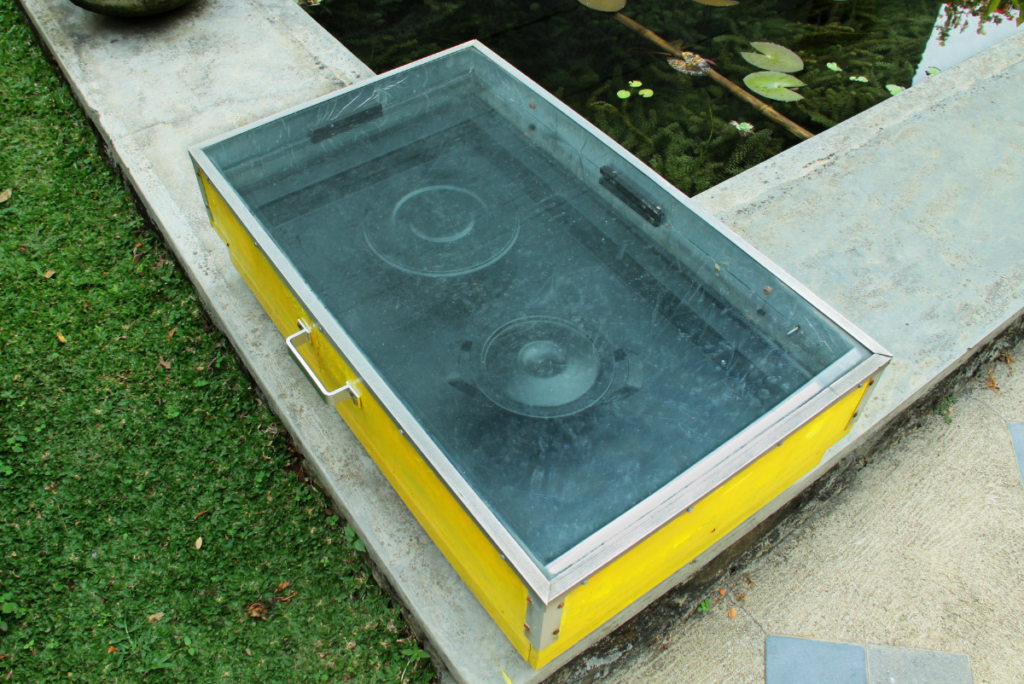
One crucial component of a solar cooker is the glass top, which plays a pivotal role in harnessing the sun’s energy. The glass top acts as a solar collector, allowing sunlight to pass through and heat the interior of the cooker. This process is similar to a greenhouse effect, where the glass traps the heat inside, creating a warm and controlled environment for cooking.
The glass used in solar cookers is specially designed to maximize solar absorption and minimize heat loss. It is usually made of low-iron tempered glass, which has excellent transparency and high thermal conductivity. This type of glass is also durable and can withstand high temperatures without shattering or warping.
The transparency of the glass allows sunlight to enter the cooker, while its thermal conductivity ensures efficient heat transfer to the food inside. The glass traps the heat generated by the sunlight, creating a hot and enclosed space for cooking. The trapped heat is further intensified by reflecting surfaces inside the cooker, such as shiny metal or aluminum foil, which direct the sunlight towards the cooking vessel.
In addition to its functional role, the glass top also serves as a safety feature. It prevents heat from escaping and keeps the exterior of the cooker cool to the touch, reducing the risk of burns or accidents. The transparency of the glass allows users to monitor the progress of their cooking without opening the cooker and releasing valuable heat.
Solar cookers with glass tops are particularly useful in sunny regions and during the summer months when there is an abundance of sunlight. They are ideal for outdoor activities such as camping or picnics, as they require no fuel and can be easily transported. Solar cooking is also a great option for those seeking a more sustainable lifestyle or looking to reduce their energy consumption.
8 Reasons Why Solar Cookers Are Covered with Glass Plate
The glass plate covering serves several crucial functions in a solar cooker. Let’s explore some of the primary reasons why solar cookers are covered with a glass plate.
1. Protection from heat loss
The glass plate acts as a barrier between the cooking chamber and the external environment. It helps to trap and retain the heat generated by sunlight within the cooker. By preventing heat loss, the glass plate ensures that the temperature inside the cooking chamber remains high enough for efficient cooking.
2. Enhanced heat trapping
Glass is an excellent conductor of solar radiation. When sunlight passes through the glass plate, it undergoes minimal reflection and is absorbed by the surfaces inside the cooker. This absorption of solar energy increases the temperature inside the cooking chamber, thereby facilitating effective cooking.
3. It creates a greenhouse effect
The glass plate creates a greenhouse effect within the solar cooker. It allows short-wave solar radiation to pass through, but prevents the escape of long-wave thermal radiation. This phenomenon leads to the accumulation of heat inside the cooking chamber, similar to how a greenhouse traps heat for plant growth.
4. It provides safety and durability
The use of a glass plate ensures safety during the cooking process. It acts as a protective barrier, preventing direct contact between the food and external elements such as dust, insects, or debris. Additionally, glass is a durable material that can withstand high temperatures, making it suitable for prolonged use in solar cookers.
5. It is cost-effective
Glass is a readily available and cost-effective material, making it an ideal choice for covering solar cookers. Its affordability allows for the widespread adoption of solar cooking technology, especially in regions where access to traditional cooking fuels is limited or expensive.
6. Is is easy to maintain
Maintaining a glass plate is relatively simple. It can be cleaned easily with standard household cleaning agents, ensuring that the solar cooker remains in optimal condition. Regular cleaning helps to maintain the transparency of the glass, allowing maximum solar radiation to penetrate into the cooking chamber.
7. It provides aesthetics and good presentation
The transparent nature of the glass plate allows users to observe the cooking process without the need to open the cooker. This feature adds a visual appeal to solar cookers and enhances the overall cooking experience. Furthermore, the presentation of food can be improved as the glass plate allows for a clear view of the cooked dishes.
8. It is portable and versatile
Solar cookers with glass plates are often designed to be lightweight and portable. The use of glass does not significantly increase the weight of the cooker, making it easier to transport and set up in different locations. Moreover, the versatility of glass enables it to be incorporated into various cooker designs, catering to different cooking needs.
Types of Solar Cookers with Glass Top
There are various types of solar cookers available, each with its own design and functionality. The three primary types are box cookers, parabolic cookers, and panel cookers.
1. Box cookers
These cookers consist of an insulated box with a transparent lid or glass cover. The lid allows sunlight to enter while preventing heat from escaping, creating a greenhouse effect inside the cooker. The absorbed solar energy heats up the interior, allowing for slow and gentle cooking.
2. Parabolic cookers
Parabolic solar cookers use a curved reflective surface to concentrate sunlight onto a focal point. The curved shape of the reflector focuses the sun’s rays to generate high temperatures, enabling faster cooking. This type of cooker is particularly useful for activities like frying or boiling.
3. Panel cookers
Panel cookers are lightweight and portable, making them convenient for outdoor use. They consist of reflective panels that direct sunlight onto a cooking vessel or heat-absorbing surface. Panel cookers are versatile and can be adjusted to capture sunlight from different angles throughout the day.
FAQs
Can a glass plate be replaced if it gets damaged?
Yes, in most cases, a glass plate can be replaced if it gets damaged. However, it is recommended to consult the manufacturer or follow the instructions provided with the solar cooker for the appropriate replacement procedure.
Are there any specific precautions to take when using a solar cooker with a glass plate?
While using a solar cooker with a glass plate, it is important to handle it with care to avoid any accidental breakage. Additionally, it is advisable to position the cooker in a location where it receives ample sunlight for optimal performance
Can a glass plate affect the cooking time in a solar cooker?
The glass plate helps in trapping and retaining heat, which can enhance the cooking time in a solar cooker. However, the cooking time can still vary based on factors such as the intensity of sunlight, type of food being cooked, and the design of the solar cooker
Is it necessary to clean the glass plate regularly?
Regular cleaning of the glass plate is recommended to maintain its transparency and ensure maximum penetration of solar radiation. Cleaning can be done using standard household cleaning agents and a soft cloth.
Are there any alternative materials to glass for covering solar cookers?
Yes, some solar cookers use materials like polycarbonate or acrylic sheets as an alternative to glass. These materials offer similar properties of transparency and heat trapping, but may have differences in terms of durability and cost.
Conclusion
Solar cookers covered with glass plates have revolutionized the way we cook and utilize renewable energy. The glass plate serves multiple functions, including heat retention, protection, and enhanced heat trapping.
Its cost-effectiveness, easy maintenance, and visual appeal make it a popular choice for solar cooker designs. By harnessing the power of sunlight, solar cookers offer a sustainable and eco-friendly solution for cooking delicious meals while reducing our carbon footprint.
