
My countertop used to smell, and it drove me crazy. No matter how much I wiped or sprayed, there was this faint sour odor that just wouldn’t go away. It was the kind of smell that hits you every time you walk into the kitchen, especially after cooking or washing dishes. I tried candles, air fresheners, and even leaving the windows open for hours, but nothing worked for long. It made my kitchen feel less clean than it actually was, and honestly, it was embarrassing when guests came around.
I later found out that those smells don’t come from nowhere. They build up slowly from food spills, grease, and moisture that sneak into tiny spots on the countertop. Once they settle in, wiping the surface alone won’t fix it. The good news is, it’s not hard to get rid of that odor once you know what to do. With the right cleaning steps and a few everyday tricks, you can bring back that fresh, clean scent to your kitchen without much stress.
Why Kitchen Countertops Smell
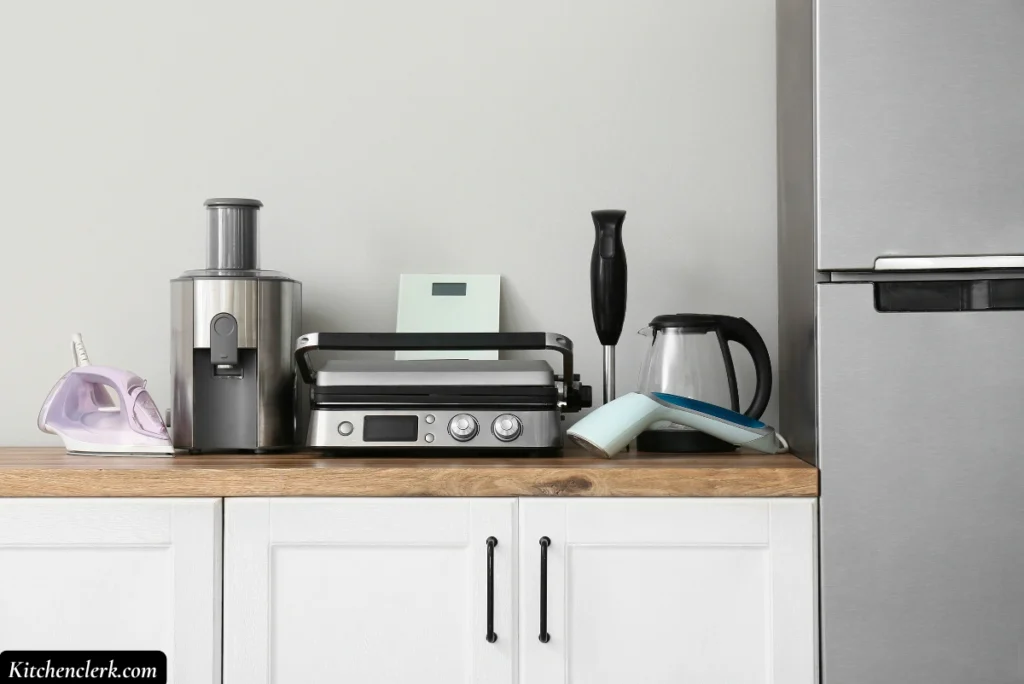
You know that moment when you walk into your kitchen and something just smells off, but you can’t figure out where it’s coming from? Most times, it’s the countertop. It’s funny how a surface we clean every day can still trap smells that just refuse to go away. It’s not that the kitchen is dirty, but over time, food, oil, and moisture can sneak into little cracks and pores that you don’t notice. Once those smells settle in, a quick wipe won’t help much.
1. Food spills that sink in
When you cook often, bits of food and liquid spills are bound to happen. Maybe you sliced onions, cleaned fish, or poured out coffee too quickly. Even after wiping, tiny bits of those spills might stay behind. Over time, they soak into the surface, especially if your countertop isn’t sealed or protected. That’s when the smell begins to build up slowly. It doesn’t happen overnight, but you’ll start noticing it when the weather gets warm or the kitchen feels damp. It’s usually that faint sour or musty smell that doesn’t go away easily.
2. Moisture that gets trapped
Water might seem harmless, but it’s one of the biggest reasons countertops start smelling bad. When you wash dishes, clean vegetables, or wipe the surface with a wet cloth, some moisture can sit in tiny gaps or edges without you realizing it. If it stays there too long, it creates the perfect environment for bacteria or mold to grow. That’s why sometimes your kitchen smells weird even though everything looks clean. It’s usually because there’s hidden moisture sitting where you can’t see it.
3. Oil and grease buildup
Grease has a way of sticking to everything. Even when you’re careful, cooking oil or steam from frying can settle on your countertop. After a while, that thin, greasy film catches dust and food particles, which start to smell bad. The funny thing is, you might not even see it clearly. It’s just a slightly sticky feel when you run your hand over the surface. And the longer it stays, the stronger the smell gets. That’s why cleaning with just water doesn’t always fix it, because grease needs a bit more effort to lift off completely.
4. Bacteria hiding in small spaces
If your countertop has seams, joints, or scratches, they can easily hold on to bits of dirt and bacteria. Those little gaps are tricky because they’re hard to reach with a regular cloth. When bacteria start to grow, they produce that unpleasant, sour smell that spreads through the kitchen. Sometimes the smell comes from under things like a dish rack or chopping board that doesn’t dry properly. It’s not always visible, but you’ll know it’s there once it starts to stink.
5. Poor airflow in the kitchen
Even after cleaning, a kitchen with poor ventilation can trap smells. Steam from cooking, especially when frying or boiling certain foods, clings to the air and eventually settles on surfaces. If your kitchen doesn’t get enough fresh air or sunlight, the smells hang around longer. It’s why sometimes, even after cleaning, the air still feels heavy and stuffy. A countertop that stays damp in that kind of environment will almost always pick up odors faster.
Ways To Get Bad Smells Out Of Kitchen Countertops

Getting rid of bad smells from your countertop isn’t as hard as it feels. You don’t need fancy products or anything complicated, just a few things you already have at home and a bit of patience. Once you know what’s causing the smell, the rest is easy. The goal is to lift out whatever has soaked in and freshen up the surface so your kitchen feels clean again. I’ve tried different things over time, and these are the simple methods that actually work and keep the smell from coming back.
1. Start with a good wash
Before anything else, give your countertop a proper wash. Use warm water and mild dish soap. Not the harsh kind, just your regular liquid soap will do. Dip a soft cloth or sponge into the soapy water and go over the whole surface slowly. Make sure to reach the corners and edges where grime likes to hide.
You’ll be surprised how much difference this simple step makes. It removes leftover oil, sticky spots, and bits of food you didn’t notice before. When you’re done, rinse it off with clean water and dry it with a towel. Never leave it wet because moisture is one of the main reasons smells come back.
2. Use baking soda to pull out the smell
Baking soda is one of the best things you can use for odor removal. It’s gentle, natural, and safe for almost any surface. Just sprinkle a little baking soda on your countertop and spread it around using a damp cloth or sponge. You can also make a light paste with water and apply it over the smelly areas.
Let it sit for about fifteen to twenty minutes, or even longer if the smell is strong. Baking soda works by drawing out the trapped odor from inside the surface. When you’re ready, wipe it away with a clean cloth and rinse with water. I’ve noticed that even when the smell seems stubborn, this trick almost always softens it right away.
3. Try a bit of vinegar or hydrogen peroxide
If you’ve got laminate or quartz countertops, a bit of diluted vinegar can help kill odor-causing bacteria. Just mix equal parts white vinegar and water in a spray bottle and spray lightly across the surface. Leave it for a few minutes before wiping with a soft, damp cloth. It breaks down grease and helps neutralize smells.
If your countertop is natural stone like granite or marble, skip the vinegar because it can damage the finish. Instead, use a small amount of hydrogen peroxide on a cloth and wipe gently. Both work well, but always test a small spot first just to be sure your surface is safe.
4. Let your kitchen breathe
Sometimes the smell isn’t just from the countertop itself but from the air that hangs around. Open your windows or switch on your kitchen vent. Fresh air makes a big difference. It helps dry out any leftover moisture and stops odors from settling again.
I like to do this after cleaning because it leaves the space smelling fresh and airy. If you cook often, try to let your kitchen air out at least once a day. Even ten minutes of fresh air can make a huge difference.
5. Use natural odor absorbers
This part is simple but really effective. Keep a small bowl of baking soda, activated charcoal, or even dry coffee grounds somewhere near your countertop. They work quietly in the background to absorb any leftover smell from the air or surface. I usually leave mine overnight and change them every few days. It’s such an easy thing to do, but it keeps the kitchen smelling fresh without needing artificial air fresheners.
6. Keep up with regular cleaning
Once you’ve gotten rid of the smell, don’t wait for it to come back. Make cleaning a small daily habit. Wipe spills immediately, dry the surface after washing dishes, and clean with mild soap at least once a day. If you have a wooden countertop, oil it once in a while to keep it sealed and fresh. For granite or quartz, use a gentle cleaner and reseal when needed. These little steps help prevent those deep smells from building up again.

Conclusion
A fresh-smelling kitchen starts with a clean countertop, and now you know it doesn’t take much to keep it that way. The secret is understanding where those smells come from and dealing with them before they settle in deep. With regular wiping, a bit of baking soda when needed, and good airflow, your countertop can stay fresh without constant deep cleaning.
