
My self-cleaning oven has honestly been a lifesaver. I used to dread scrubbing away baked-on grease and stains after cooking big meals, but now I just press a button and let the oven do its thing. I can clean up without actually cleaning, and that’s something I’ll always appreciate.
But I quickly learned that the self-clean cycle can be a bit dramatic sometimes. The first time I used it, I almost panicked because the whole kitchen filled up with smoke. I thought something had gone wrong. Later, I found out it’s a common thing when there’s leftover grease or crumbs inside. Since then, I’ve picked up a few simple tricks that help stop the smoke before it even starts, and they’ve made my oven run smoother and cleaner every time.
Ways to Fix a Smoking Self-Cleaning Oven
1. Wipe out any loose dirt or grease before cleaning
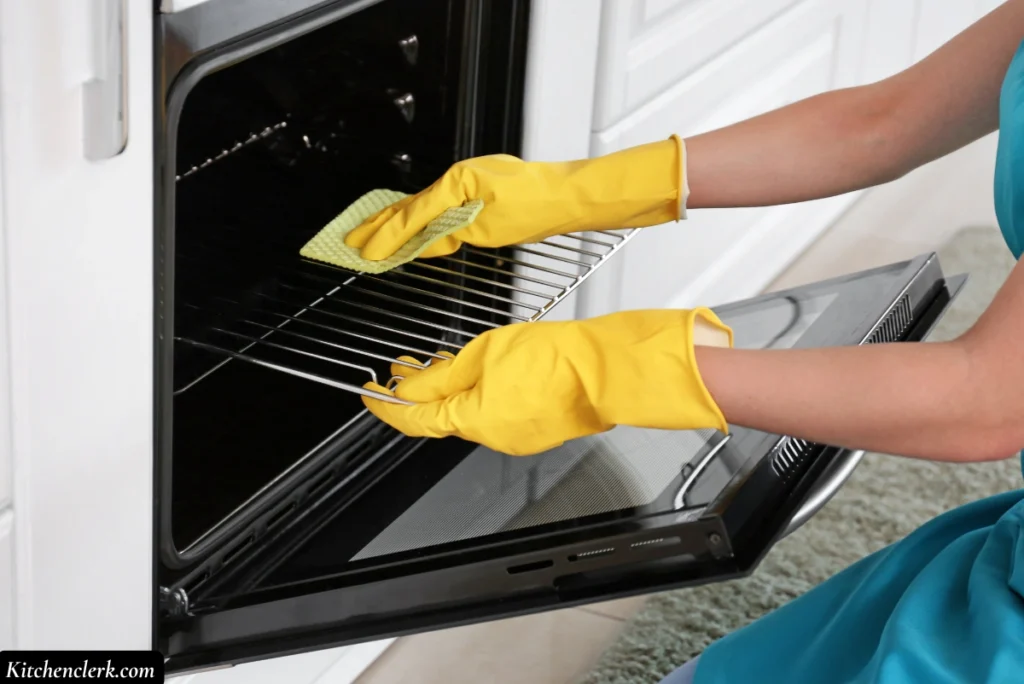
Before I start the self-cleaning cycle, I always take a few minutes to wipe out whatever I can see inside the oven. It might not look like much, but even a small bit of oil or sauce left on the bottom can cause a lot of smoke once the oven heats up. I usually take out the racks, grab a damp cloth, and just wipe the surface and corners to get rid of crumbs or grease spots. Sometimes, when the dirt is stubborn, I use a little baking soda and water paste to help loosen it up.
I learned the hard way that skipping this step can turn your kitchen into a smoky mess. The oven gets extremely hot during the self-clean cycle, and every small leftover thing burns to ash. So now, I make it a habit to do this quick wipe before I start. It saves me from that heavy smoky smell later, and it also keeps my oven looking cleaner when the cycle ends.
2. Keep the kitchen well-ventilated
Whenever I use the self-clean feature, I make sure the kitchen is properly aired out. I open the windows wide and turn on the exhaust fan or the cooker hood. Self-cleaning ovens work by heating up to very high temperatures, and even the tiniest bit of leftover grease can give off smoke or smell funny. The first few times, I didn’t bother about ventilation and ended up running around trying to stop my smoke alarm from going off.
Now, I just prepare in advance. The airflow helps a lot. It keeps the kitchen comfortable and the air fresh while the oven does its thing. If you have ceiling fans nearby, turning them on also helps move the air around. It’s such a simple thing, but it makes a big difference in how much smoke you actually notice.
3. Stop the cycle if the smoke gets too much
Sometimes, even when you do everything right, the oven still smokes more than you expect. When that happens, I don’t panic anymore. I just press the “Cancel” or “Off” button and let it cool down completely. It usually takes about an hour or so for the door to unlock. Once it’s open, I take a look inside, wipe away the burnt bits, and then decide if I want to restart the cycle or leave it for another day.
The first time it happened, I thought something had gone seriously wrong. But most times, it’s just leftover crumbs or grease that got missed. Stopping the cycle gives the oven a chance to breathe, and once you wipe out the burnt residue, it usually works perfectly fine again. It’s better than letting the whole kitchen fill up with smoke or dealing with that burnt smell that lingers for days.

4. Do a short “burn-off” before the deep clean
This one is a small trick I picked up after a few tries. If I haven’t used the oven in a while or if it’s been through some heavy cooking, I like to run it empty for about 15 to 30 minutes on high heat before starting the self-cleaning cycle. This helps burn off any light residue or oil that could cause extra smoke later.
When I started doing this, I noticed my self-clean cycles became much smoother. There was less smoke, and the smell wasn’t as harsh. It’s one of those tiny steps that seem unnecessary until you try it once and see how well it works. Now it’s something I always do whenever I’m planning to deep-clean the oven.
5. Make sure there’s no leftover cleaner or soap
If you’ve recently cleaned the oven by hand before running the self-clean cycle, make sure to rinse away every bit of cleaner or soap. I learned this after using a store-bought oven spray and forgetting to wipe it off properly. When the self-clean started, the smell was so strong I had to stop the whole process halfway through.
Now I always go over the oven once more with a mix of white vinegar and water to make sure nothing is left behind. The vinegar helps neutralize any leftover product and keeps the oven from smoking or smelling weird when it heats up. It’s such a small habit, but it really helps keep everything safer and fresher.
When to Worry About Oven Smoke
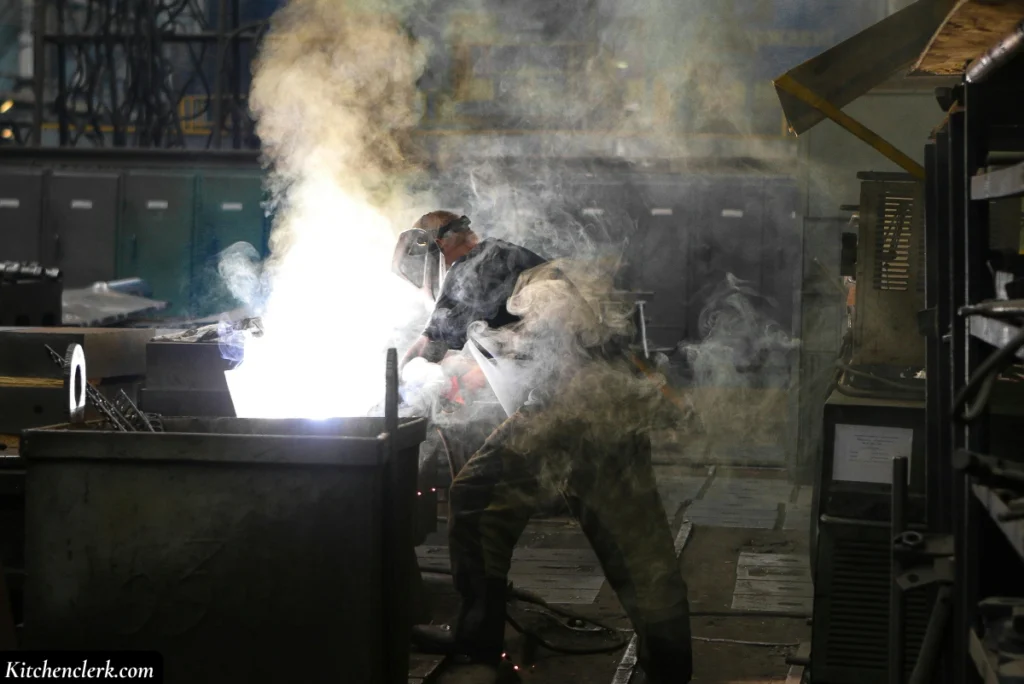
A little smoke during a self-clean cycle is actually pretty normal. The oven gets really hot, and that heat burns away grease or food bits that you might not even see. But there are times when the smoke feels a bit too much, and that’s when to start paying closer attention. If it’s so thick that it’s pouring out when you open the kitchen door, or it smells harsh, almost like burnt wires or plastic, that’s a sign that something isn’t right.
The first thing I usually do is stop the self-clean cycle and let the oven cool down completely. When it’s safe to open, I check the bottom and corners. Sometimes, it’s just a piece of food that got stuck and is burning off. But if the smoke keeps happening every time or comes with a strange smell, take it more seriously. It could be an issue with the heating element or a worn-out door seal letting heat escape.
Once, I had a self-cleaning session that filled my kitchen with grayish smoke and that weird electrical smell. I unplugged the oven immediately and called a technician to check it. Turns out the gasket around the door had cracked, which made the heat escape and burn parts that shouldn’t get that hot. It’s better to take a small break and fix it than risk damaging the oven or filling the whole house with fumes.
How to Safely Clean Your Oven Instead
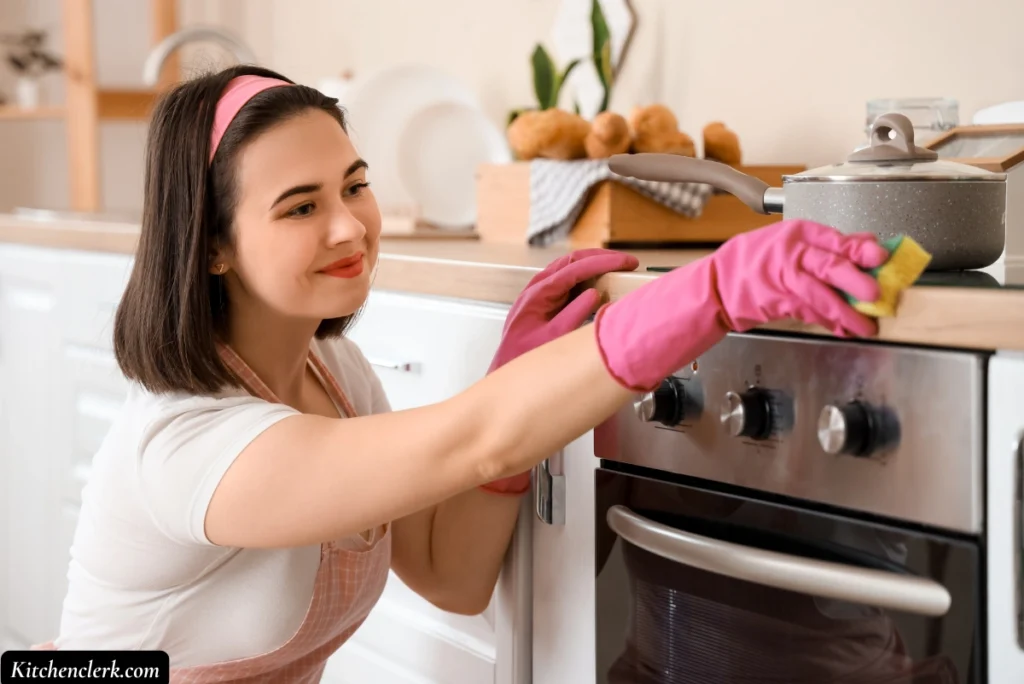
If your oven smokes too much whenever you try the self-clean cycle, there’s a gentler way to keep it clean that works just as well. I like to clean mine by hand every once in a while, especially after a lot of cooking. It takes a bit more effort, but it’s simple and honestly gives you more control. Mix baking soda with a little water until it forms a soft paste. Then spread it around the inside of the oven, especially on the greasy spots, and leave it overnight.
By the next day, most of the grime should have softened up. Spray some vinegar over it and wipe everything down with a damp cloth. It’s satisfying because the dirt just comes off easily, and it leaves the oven smelling fresh without that strong chemical scent. It’s a slower way to clean, but it’s calm and easy. You can take your time and not worry about smoke, smell, or heat.
Then take the racks out and clean them separately in warm, soapy water. Letting them soak for a bit helps loosen anything that’s stuck. Use a soft sponge to scrub them clean so they don’t lose their shine. Once they’re dry, they go back in looking like new.
Doing it this way feels more peaceful than watching the oven fill up with smoke. It’s safe, it’s gentle, and you don’t have to worry about fumes or alarms going off. Plus, you end up with a sparkling oven that feels like new again.
Conclusion
Having a self-cleaning oven really does make life easier, but it helps to know what to do when things get a bit smoky. Once I started taking those few extra steps before cleaning, everything became smoother. No thick smoke, no harsh smells, just a clean oven that’s ready for the next meal.
If yours ever gets too smoky, don’t panic. Most times, it’s just residue or a little dirt left behind. A quick wipe, some ventilation, and a bit of patience go a long way.
