Pets are like little family members that follow us everywhere, even into the kitchen when something smells good. But sometimes, the things we use around the house can be a bit too harsh for them, especially when it comes to cleaning appliances. For example, self-cleaning ovens.
I know self-cleaning ovens sound amazing because who doesn’t want a machine that cleans itself after a messy bake or roast. But the truth is, that cleaning process can release heat and fumes that aren’t exactly safe for pets. So before you hit that clean button, it’s worth knowing why self-cleaning ovens might not be the best thing to run around your pets.
Why Self-Cleaning Ovens Aren’t Pet-Friendly
1. The heat can be too much for them
When you run a self-cleaning cycle, your oven gets unbelievably hot. I’m talking about temperatures that can easily go above 800 degrees. It needs that much heat to burn off grease and food bits stuck inside. The problem is that all that heat doesn’t just stay inside the oven. The outside can get really warm, too, and that’s where pets can get into trouble.
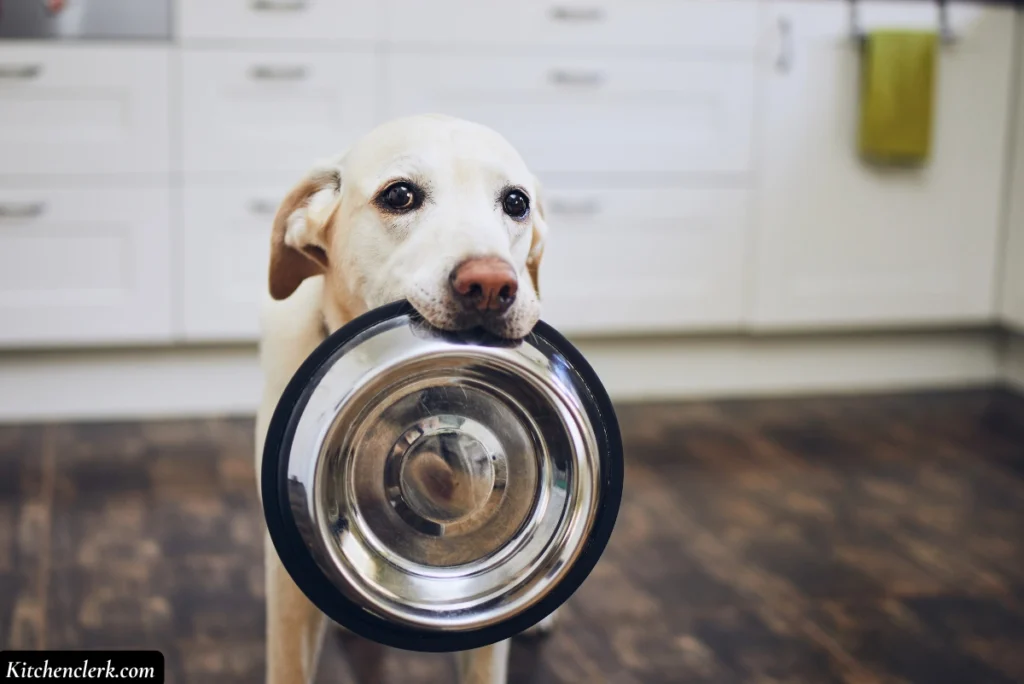
If your cat or dog likes to hang around the kitchen, they might wander too close. The oven door, the sides, even the air around it can feel hot enough to cause discomfort or even burns. I’ve seen pets curl up near warm appliances, thinking it’s a cozy spot, not realizing how dangerous it can be. And for smaller animals like rabbits or hamsters, the air in the room can heat up fast and make breathing uncomfortable.
2. The fumes and smell are not pet-friendly
When the oven burns off old food and grease during the self-cleaning process, it releases a strong smell and fumes that fill up the house quickly. You might notice a smoky or chemical-like odor and even feel your eyes sting a little. For pets, it’s worse. Their lungs and noses are way more sensitive than ours.
Birds especially can’t handle fumes like that. Even a small amount can make them very sick or worse. Their tiny lungs just can’t filter it out. I’ve heard people talk about losing their birds because of self-cleaning fumes, and that alone makes me very cautious. Dogs and cats may not react as severely, but it can still make them sneeze, cough, or act restless.
3. Birds and small pets are the most at risk
If you have birds, guinea pigs, or other small pets, this part is really important. Birds have delicate breathing systems that pick up even the smallest change in air quality. When fumes fill the house during a self-cleaning cycle, it doesn’t take much to harm them. That’s why so many vets say to move birds far away or outside before running the oven.
Small animals like rabbits or hamsters may not show signs right away, but sitting in a room full of fumes can still affect them. They’re close to the ground and often in cages that trap air, so they end up breathing the same stuff over and over. It’s honestly safer to wait until you can take them outside or at least to another room before turning the oven on.
4. There’s always a fire risk you don’t expect
The self-cleaning cycle runs on very high heat, which means if there’s still grease or bits of food left in the oven, they can catch fire. It doesn’t happen all the time, but when it does, it creates a lot of smoke fast. That smoke can travel around the house before you even realize it.
Pets can panic when the air suddenly fills with that smell or when the smoke alarm starts going off. I’ve seen dogs and cats try to hide under furniture when things like that happen. And honestly, the stress alone can be hard on them. Even if the oven doesn’t catch fire, the smell of burning grease can still irritate their breathing. It’s just one more reason to never leave the oven running on self-clean mode if your pets are nearby.
5. The smell lingers long after you’re done
One thing most people don’t realize is that the smell doesn’t disappear right after the cleaning cycle ends. It stays in the air for hours, sometimes even a full day. The oven itself keeps releasing heat and scent while it cools down. For us, it’s just an annoying smell, but for pets, it can be exhausting.
If your house doesn’t have good ventilation or if windows are closed, it becomes uncomfortable for everyone. Cats might move to another room and refuse to come out. Dogs might whine or pace around. Birds may start breathing faster or act restless. I always open windows and turn on fans for a few hours after cleaning because it helps clear out the air faster. But still, it’s easier to plan the cleaning when your pets are safely out of the house.
How To Keep Pets Safe From Self-Cleaning Ovens
When it comes to running a self-cleaning cycle, I’ve learned that a few small steps can make a big difference in keeping pets safe and comfortable. These ovens are convenient, but they can get really hot and release fumes that linger around longer than most people realize. So, I always plan ahead whenever I need to use mine. Here are a few simple things that help me keep my pets out of harm’s way.
1. Move them far away before starting
The best thing you can do is take your pets to another part of the house before turning on the oven. I usually move mine to a room that’s far from the kitchen and close the door. If you have birds, it’s even better to take them outside or to a friend’s house until the air clears. Their lungs are just too delicate to handle fumes or smoke. For smaller animals like rabbits or hamsters, cover their cages with a light cloth and place them somewhere cool and airy, far from the oven area.
2. Keep the house well ventilated
Before starting the cleaning cycle, I always open all the windows and switch on a fan. It helps push out any smell or smoke that builds up while the oven is running. If you have an exhaust fan above your stove, turn it on too. The idea is to keep fresh air moving through the house so the fumes don’t stay trapped inside. It might feel like a small step, but it helps a lot, especially for pets that stay indoors most of the time.
3. Never leave the oven running unattended
Even though self-cleaning ovens are designed to work on their own, I never walk away completely when it’s on. Things can go wrong, especially if there’s leftover grease or crumbs inside that could flare up. Staying close lets you catch any smoke or heat buildup early. If something doesn’t feel right, you can always stop the cycle. It’s better to deal with a half-clean oven than a kitchen full of smoke and scared pets.
4. Give it time to cool down before letting pets back in
Once the cycle ends, I usually wait a few hours before letting my pets back into the kitchen. The oven and the air around it stay warm for quite a while, and the smell can hang in the air longer than expected. Leaving windows open and fans on helps speed things up. When the kitchen finally feels fresh again, that’s when I bring them back.
5. Try natural cleaning options when you can
If you really don’t want to deal with the whole self-cleaning process, there’s nothing wrong with cleaning your oven by hand using safer products. I like to mix baking soda with a little water into a paste and spread it on the inside of the oven overnight. It loosens up the grime, and the next day, I just wipe it off with a damp cloth. It takes a bit of effort, but at least it doesn’t fill the house with fumes.
Final thoughts
Keeping pets safe during oven cleaning isn’t hard; it just takes a little planning. Moving them away, airing out the house, and waiting until things cool down make a huge difference. I always remind myself that pets rely on us to keep their space safe, even from things that seem harmless. It’s better to take those few extra steps than risk making them uncomfortable or unwell.
